- Phone: 240-334-8918
- 24/7 Available
- info@covenantcareinc.com
- License No: HCS800102

Monitoring and Supervision
We are a “caregiving” service, not a “sitter” service.
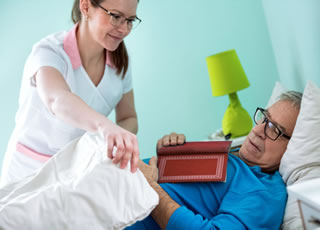
Most agencies do nothing more than provide a person to perform tasks such as assistance, observation, or supervision to a client. Our caregivers are highly trained and competent caregivers who actually do much more than just observe, monitor, assist with, and supervise a client. Our caregivers actually interact with, engage, encourage, motivate and stimulate our clients. Our focus is on what the individual psycho-social and non-medical needs are for each of our clients.
Our mission has always been and will continue to be supportive to not only our clients, but our family members as well, because both need the emotional support to live through the overwhelming stress and challenges they face as family caregivers. Our caregivers are trained to essentially minimize and even eliminate the stress that the family member(s) are overwhelmed with, and to help the entire family including the client, to improve or maintain their quality of life. It could be the little things such taking the trash out or walking the dog, to name just a couple of examples, but all performed by a caregiver that doesn’t need to be told what to do; just by anticipating the needs of the client and the family.
We have established a higher standard of caregiving to anticipate and exceed client expectations and needs.
We do this by applying rigorous qualifications and screening of caregivers we hire and in fact only 5% of applicants are hired. We also require on-going training and continuing education in non-traditional areas such as customer service, hospitality, effective communication techniques, team work, and methods to promote and support the psycho-social needs of our clients. Likewise, caregivers receive the same on-going training in dementia/Alzheimer’s care, wound care, rehabilitation, and monitoring and observation of each client’s key clinical signs.
Why do we do this?
The answer is quite simple! For two reasons; first by monitoring and documenting any trends earlier and when they first occur, we can avoid issues from escalating into larger problems that may be more difficult to manage or control especially if they become complex medical problems. Secondly, we can notify the client’s physician(s) and family members as soon as these concerns are observed and help expedite a doctor’s visit if necessary. Since most physicians rarely see or observe patients in their own home and environment instead of the physicians’ office, we can greatly improve the communication of much needed clinical information that the physician would not necessarily observe in the office. Because of this additional perspective and first hand observation by our caregivers, hopefully physicians can provide his/her patient with a more specific diagnosis and prognosis. Furthermore, we can even provide the physician, most of which are pressed for time, with a graphic presentation that summarizes these trends in an easy and accessible format.