- Phone: 240-334-8918
- 24/7 Available
- info@covenantcareinc.com
- License No: HCS800102


Lifting and Transferring
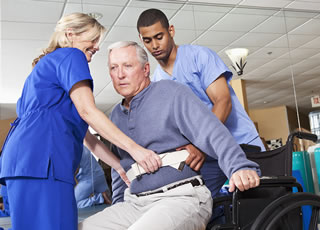
Correct knowledge and training of the moving and transferring of patients are paramount for the safety of both the patient and the carer. Without the sufficient skills, management or even equipment there is a greater increase in the risk of injury for both parties.
It is not only the safety and welfare of our clients but also the safety of our staff that is of uttermost importance to us. If you are a first time caregiver or are unsure about this topic and would like more information, here are a few things to consider to help you ensure the risk is kept low.
Assess the risk
Risk assessments of patients are always performed and assessed on an individual basis. Each person will present with different medical and physical needs which will influence the response and care required to them for their safe moving and transferring. For example, some individuals may require multiple people in order to move them in a safe manner.
Getting the correct training
There is an array of courses which can help and teach you on how to transfer patients safely and efficiently. Research courses in your area and book yourself onto one. The knowledge and skills you acquire from such courses will be invaluable in the management of risk and keeping injuries to a minimum.
Keep up to date
Regulations, legislation, and techniques are always advancing. Make sure that you are up-to-date with the latest information to ensure you and your patient are practicing the safest transfer methods.
Equipment
Technology is always progressing in ways to help make everyday life more manageable and efficient. There is an extremely large market that focuses on equipment and aids which can help you and your patient move safely without injury. Equipment available are those such as slings, sliding sheets, handling belts, banana board, stand aid and hoists. If your risk assessment identifies the requirement of such equipment, it may be worth the research and investment.